

Thu, May 28, 9:29 am | Gifts & Donors, UCSB Reads
UCSB Reads 2026, the 20th anniversary of UC Santa Barbara's award-winning common book program, culminated on May 7 with a campus appearance by Michelle Zauner. The bestselling author and Grammy-nominated musician (of indie pop band Japanese Breakfast) took the stage at a sold-out Campbell Hall to...
UCSB Library has named Samuel Liu and Shirley Qui as the recipients of the 2026 Library Award for Undergraduate Research (LAUR). This year’s winners were selected for their deep engagement with Library collections, services and resources, and their ability to produce high-quality, scholarly work....

He is popularly known as the patron saint of the environmental movement, the father of nonviolent resistance and the famously secluded hermit of Walden Pond. But the myth of Henry David Thoreau (1817-1862) – often conveyed by inspirational quotes on coffee mugs, T-shirts and refrigerator magnets –...

New Exhibition Explores Many Lives of Shakespeare’s Texts
An edited version of this article was published in UC Santa Barbara's The Current.
William Shakespeare’s plays transcended their origins almost immediately. Even during his lifetime, his unforgettable characters and indelible lines were...
Fri, Feb 20, 11:33 am | Faculty, Scholarly Communication & Open Access
UCSB Library is committed to open research and teaching and supports faculty in using open educational resources (OERs) to create learning experiences with fewer technical, financial, and copyright deterrents. In celebration of Open Education Week 2026 (March 2-6), UCSB Library is highlighting a...

Wed, Jan 21, 4:02 pm | Exhibitions, Gifts & Donors, Student Success, UCSB Reads, Undergraduate Students
New Library Exhibition Celebrates 20th Anniversary of UCSB Reads
UC Santa Barbara Library is celebrating the 20th anniversary of UCSB Reads, the University’s award-winning common book program, with a new exhibition, Creating Community Through Books: 20 Years of UCSB Reads.
Since its launch in 2007...

Thu, Nov 20, 9:51 am | UCSB Reads
For its 20th anniversary year, UCSB Reads selects a provocative book about identity, food, grief, and culture
The UC Santa Barbara Library and the Office of the Executive Vice Chancellor and Provost are pleased to announce the selection of Crying in H Mart: A Memoir (2021) by Michelle Zauner for...

Wed, Nov 19, 12:18 pm | Library Employees, UCSB Reads
UCSB Library received five awards in 2025 in recognition of its outstanding communications:
ARL 2025 ARLIES Award
The Association of Research Libraries (ARL) awarded the 2025 ARLIES Award for Best Publicity/Marketing Film for the "Gen Z-Scripted Tour of UCSB Library" video at the ARL Spring...
Fri, Nov 7, 12:54 pm | Gifts & Donors, Special Research Collections
This is a slightly edited version of an article that was first published in UC Santa Barbara's The Current.
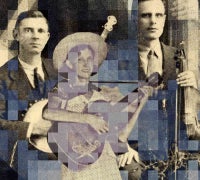
Thousands of songs representing some of the rarest and most uniquely American music borne from the Jazz Age and the Great Depression would have likely been lost to landfills and faded from...

Thu, Nov 6, 11:17 am | Gifts & Donors, Special Research Collections
UC Santa Barbara Library is celebrating the preservation and digitization of the KEYT Television Archive, a collection documenting more than 60 years of Santa Barbara history and community journalism.
Donated to the Library in 2016, the archive includes over 2,700 videotapes and millions of feet of...