
The University of California has been awarded a grant by the Alfred P. Sloan Foundation to support the development of a UC-wide network of Open Source Program Offices (OSPOs). This award leverages the work of the Open Source Program Office at UC Santa Cruz (UCSC) and funds a collaboration of UC...
Tue, Apr 16, 11:51 am | Collections, Digital Scholarship, Gifts & Donors, Grants, Special Research Collections
UCSB Library has been awarded a $349,993 grant by the National Endowment for the Humanities (NEH) for the American Record Corporation (ARC) Access Initiative of the American Discography Project. The NEH has now awarded six grants totaling more than $2 million in support of UCSB’s Discography of...
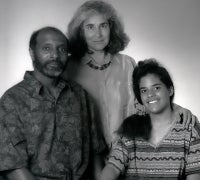
The UCSB Library has acquired the Cedric J. and Elizabeth P. Robinson Archive, a collection of research and teaching papers, ephemera and digital materials related to the careers of the Robinsons, renowned for their seminal scholarship and activism that had wide-ranging influence at UC Santa...
Mon, Mar 18, 8:32 am | Gifts & Donors, Special Research Collections
The UC Santa Barbara Library’s recorded sound collections are vast and diverse: they include over 400,000 recordings representing voices throughout history, from intimate home recordings from the 1890s, to rare commercial recordings on wax cylinders and 78 rpm discs, to unique radio broadcasts....

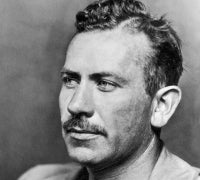
The UC Santa Barbara Library is excited to announce that it has recently received a gift from antiquarian bookseller and philanthropist Kenneth Karmiole ‘68 to establish The Kenneth Karmiole Annual Lecture Series on Religion in American Life. This is Karmiole’s third endowment established at the...
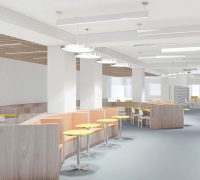
UCSB Library is creating a new Arts Library by bringing together the Music and Art & Architecture Collections into a modernized space on the Library’s 1st floor Mountain Side where the Art & Architecture Collection is currently housed. As part of the project, the Music Library collection...
Wed, Feb 28, 8:40 am | Faculty, Scholarly Communication & Open Access
In celebration of Open Education Week (March 4-8, 2024), the UCSB Library is highlighting one lecturer’s experience incorporating open educational resources (OERs) into her courses. As the Library continues to deepen its commitment to an open paradigm for research and teaching, we want to support...
Fri, Feb 23, 10:26 am | Digital Scholarship, Faculty, Graduate Students, Scholarly Communication & Open Access
A convenient way to make scholarly work public under UC’s Open Access Policies
The UCSB Library is pleased to announce that starting March 4th, 2024, all UCSB academic and research employees covered by the Presidential Open Access Policy, including non-senate researchers, lecturers, post-doctoral...
Tue, Feb 20, 2:44 pm | Gifts & Donors, UCSB Reads
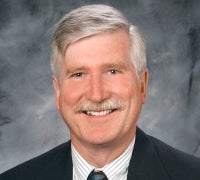
For 18 years, the UCSB Reads program has brought the campus and Santa Barbara communities together to read a common book that explores compelling interdisciplinary issues of our time. The program has become a mainstay in campus education and outreach, with book topics tackling issues as diverse as...
Thu, Jan 11, 9:01 am | Scholarly Communication & Open Access
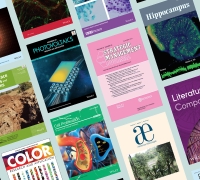
The University of California has extended its open access agreement with scholarly journal publisher Wiley for an additional three years. From January 1, 2024, through December 31, 2026, researchers and students at all 10 UC campuses and the Lawrence Berkeley National Laboratory will receive...